
How Light Changes the Way Your Walls Look and Feel
The lighting impact on wall painting is bigger than most people expect. Light can change how a color looks, how smooth a surface appears, and even how big a room feels. The same paint can look bright and warm in one room but dull and flat in another. Before you choose a color or finish, you need to think about the light in the space.

Why Lighting Matters More Than You Think
Light affects both color and texture. Natural sunlight brings out true tones during the day. At night, indoor bulbs can add yellow, blue, or white shades. This changes how your wall painting appears.
For example, a soft gray may look clean and modern in bright daylight. Under warm bulbs, that same gray can look beige. Glossy finishes also reflect more light. Flat finishes absorb light and hide flaws better.
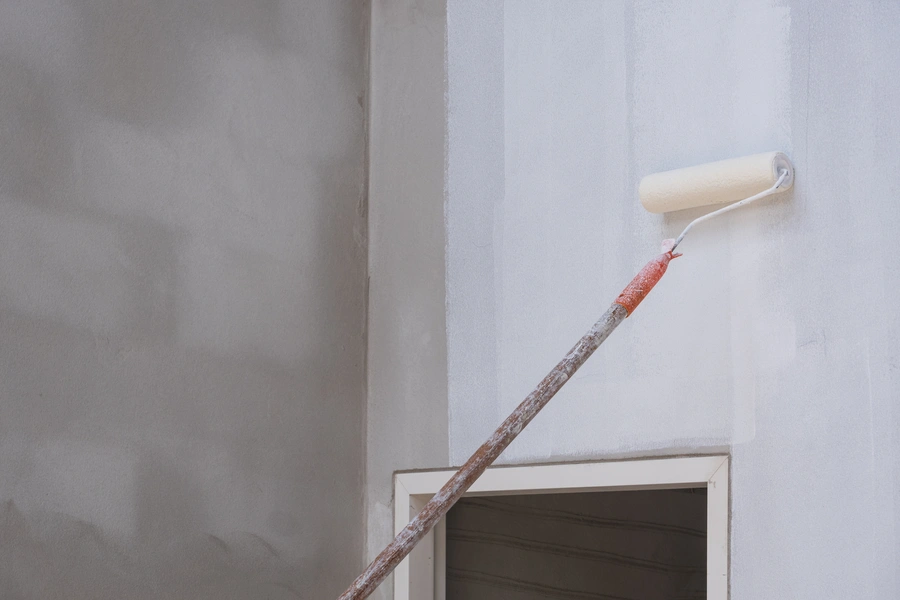
This applies to both interior and exterior work. Even in , lighting plays a role in how results appear once the job is done.
Common Lighting Types and How They Affect Paint
Different light sources create different effects. Here is what to expect:
- Natural light: Changes throughout the day. North-facing rooms feel cooler. South-facing rooms feel warmer and brighter.
- Warm white bulbs: Add yellow tones. Great for cozy spaces but may alter cool paint colors.
- Cool white bulbs: Add blue tones. Make rooms feel crisp but can make warm colors look dull.
- LED lighting: Comes in many shades. The color temperature you choose matters a lot.
Each type can shift how your wall painting looks after it dries. That is why test samples are so helpful.
What to Check Before Choosing a Color
Before you commit to a full wall painting project, take time to study the room.
- Look at how much natural light the room gets.
- Notice what direction the windows face.
- Check the type of bulbs installed.
- Paint small test patches on different walls.
- View the samples in the morning and at night.
This simple process can save time and money. It helps you avoid repainting later.
Finish Matters Just as Much as Color
Lighting does not only change color. It also highlights surface details. In bright light, glossy paint shows bumps and dents. Flat or matte finishes hide small flaws better.
Here is a quick guide:
- Flat or matte: Best for low-traffic rooms and imperfect walls.
- Eggshell or satin: Soft shine. Easy to clean. Works well in living areas.
- Semi-gloss or gloss: Very reflective. Good for trim but shows wall flaws.
If a room has strong overhead lighting, a high-gloss wall painting job may look too shiny. Softer finishes often create a more balanced look.
Mistakes People Often Make
Many homeowners choose paint under store lighting only. Store lights are bright and even. Your home lighting is not the same. This leads to surprises after the job is done.
Another mistake is ignoring shadows. Large furniture, curtains, and nearby buildings can block natural light. This changes how color appears across the room.
Some also forget that light bulbs can be changed. If your wall painting looks slightly off, switching bulb temperature may fix the issue without repainting.
When Professional Advice Helps
If you are repainting a large space or open floor plan, getting expert input can make a big difference. Large areas reflect more light, which can amplify small color shifts. What looks fine on a sample card may feel overwhelming on four full walls.
Professionals consider room size, ceiling height, window placement, and finish type before starting a wall painting project. This planning helps create a result that looks good all day, not just at one hour.
Get Help Planning Your Next Project
If you are planning a wall painting project in London, KY, lighting should be part of the conversation from the start. At B&M Painting and Construction, we look at natural and artificial light before picking colors or finishes. We help you test samples, review bulb types, and choose options that fit your space. Call us at (606) 389-6806 to schedule a walkthrough and get clear answers before the first coat goes on.